
Naicisports is an electric cargo bicycle manufacturer for B2B brands, importers, distributors and private-label programs. We support cargo frame configurations, load-capacity planning, battery and motor options, branding and packaging.Review our electric bicycle manufacturing capability, our OEM and ODM manufacturing solutions, or send a cargo electric bicycle project inquiry.
For a two-wheel cargo electric bicycle project, the buyer defines the cargo application, operating environment, route, operator needs, cargo interface, destination market and commercial requirements before the final configuration is agreed.
| Decision Area | Buyer Requirement | Project Configuration Decision | Model-Specific Verification Required |
|---|---|---|---|
| Cargo application | Intended cargo type, operating environment, route and service expectations | Define the project use case and validation criteria | Yes |
| Frame and platform | Required platform format, rider fit and operating conditions | Review the selected two-wheel cargo platform against the project brief | Yes |
| Wheel and geometry | Route conditions, handling priorities and fit requirements | Confirm wheel and geometry details for the selected model | Yes |
| Cargo and rack interface | Cargo format, mounting needs and interface requirements | Define the rack or cargo-interface configuration and validation scope | Yes |
| Motor and controller system | Assisted-use requirements and destination market | Review the drive-system configuration as part of the complete project | Yes |
| Battery architecture | Operating profile, packaging space and charging requirements | Review battery configuration with the selected platform and components | Yes |
| Braking system | Use case, final load criteria and destination-market requirements | Select the braking package with the approved configuration | Yes |
| Drivetrain | Route, operating profile and service expectations | Review drivetrain options for the selected model | Yes |
| Operator controls | Required assist behavior, display and control preferences | Confirm the control package for the configured sample | Yes |
| Lighting and accessories | Operational, safety and accessory requirements | Confirm available items and integration for the selected platform | Yes |
| Branding | Brand assets and required placement | Frame logo, decals, custom colors and nameplates or labels | Yes |
| Packaging | Shipping channel and documentation needs | Custom packaging and buyer-branded manuals or instruction materials | Yes |
| Destination-market requirements | Market, intended use and importer requirements | Confirm testing, documentation and certification scope after final configuration | Yes |


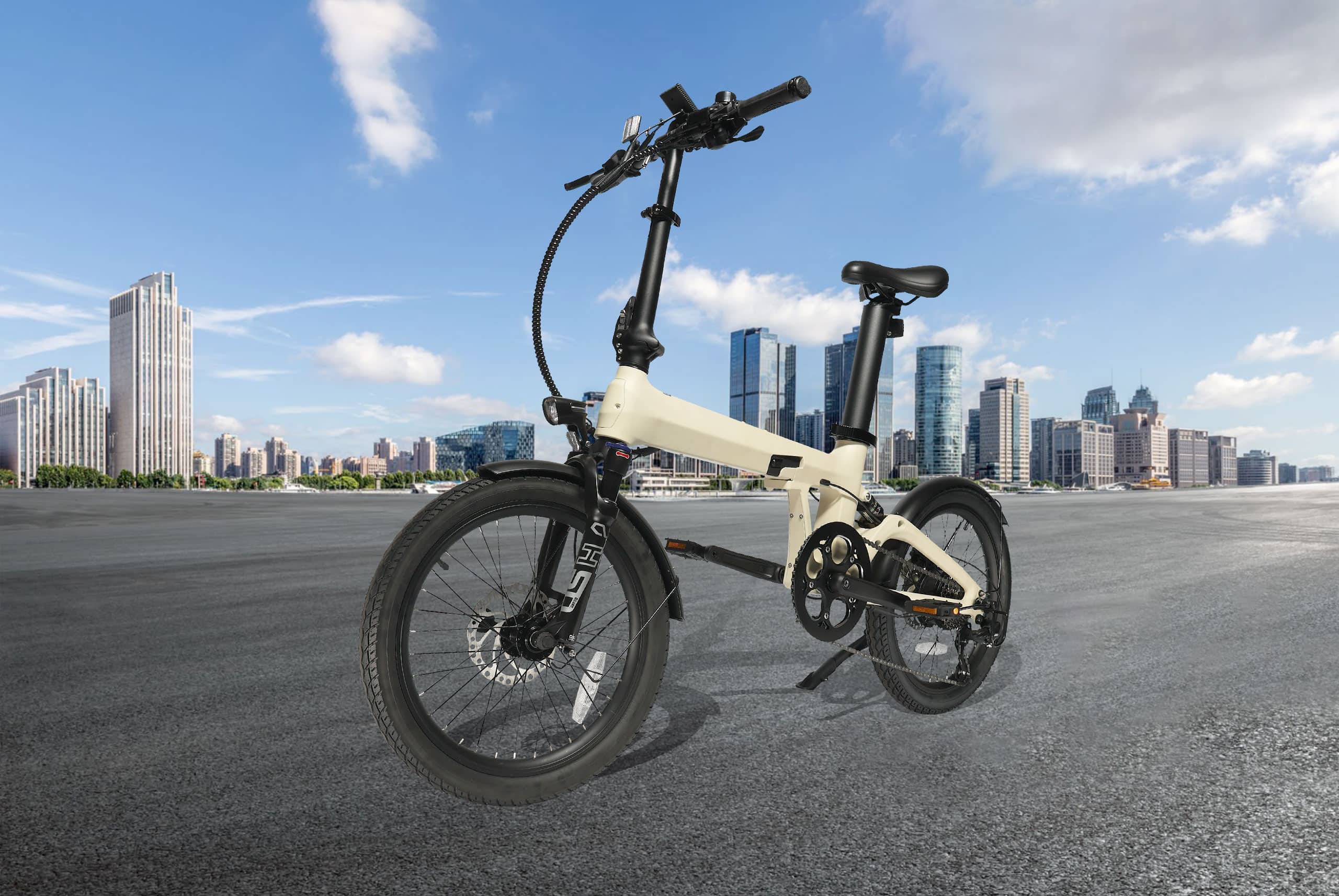
Share the intended cargo type, operating environment, route, operator needs, cargo-interface requirements, destination market and service expectations.
Review the selected two-wheel cargo platform and proposed components as one system. Commercial terms are quoted after the configuration, customization and packaging scope are defined.
Use the configured sample and project documentation to confirm the agreed cargo-interface, operating and destination-market criteria before production planning.
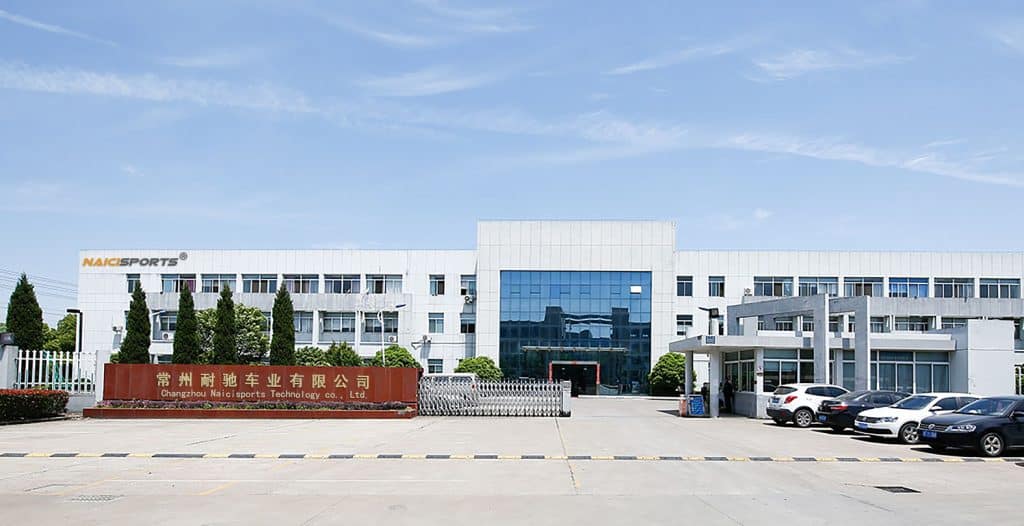
Production planning begins after the selected platform, final specification, configured sample, quality checkpoints, packaging and commercial terms are agreed. Delivery timing and shipment terms are confirmed for each project rather than treated as a universal guarantee.
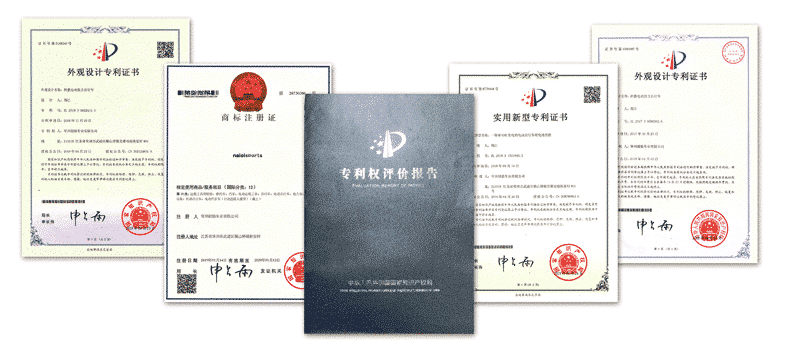
Applicable regulatory, testing and documentation requirements are reviewed against the final configuration, components, intended use and destination market. The after-sales scope can include spare-parts planning, manuals, maintenance documentation and shipment follow-up, with warranty and service terms defined in the commercial agreement.
Share the cargo application, operating environment, destination market, selected platform, cargo-interface needs, configuration priorities, branding and packaging requirements. Our team will review feasibility and confirm the next steps for a configured sample and production planning.
Share the intended cargo type, operating environment, route, operator needs, destination market, selected platform, cargo-interface requirements, branding and packaging priorities.
Project options can include frame logo placement, decals, custom colors, nameplates or labels, custom packaging and buyer-branded manuals or instruction materials. The final scope is confirmed for the selected model and project.
Applicable regulatory, testing and documentation requirements are reviewed against the final configuration, components, intended use and destination market.
Lead time is confirmed after the selected platform, configuration, configured-sample requirements, tooling, component availability and production plan are reviewed. There is no universal fixed lead time for every cargo project.
MOQ depends on the selected platform, configuration, customization depth, components, packaging and sample plan. The applicable quantity is confirmed in the project quotation after the buyer requirements are reviewed.
We use necessary cookies to operate this website. With your permission, we also use preference, analytics and marketing technologies. You can accept all, reject non-essential cookies or choose your settings.

