Naicisports is an electric mountain bicycle manufacturer for B2B brands, importers, distributors and private-label programs. We support mountain frame geometry, suspension, motor and battery options, component selection, branding and packaging.Review our electric bicycle manufacturing capability, our OEM and ODM manufacturing solutions, or send an electric mountain bicycle project inquiry.
Use this matrix to define an electric mountain bicycle project before engineering review and configured-sample validation. Every final specification remains model- and project-specific.
| Buyer Requirement | Project Decision | Model-Specific Verification Required |
|---|---|---|
| Target buyer, intended use and riding conditions | Define the product role, route profile, terrain, rider and service expectations | Yes |
| Frame platform | Select the applicable frame architecture and material for the intended project | Yes |
| Wheel and tire format | Confirm wheel, tire and clearance requirements for the selected model | Yes |
| Suspension architecture | Confirm front or full-suspension requirements and compatible interfaces | Yes |
| Motor and controller package | Review the drive package as part of the complete configuration | Yes |
| Battery architecture | Confirm voltage, capacity, packaging, charging and frame integration | Yes |
| Sensor and assist system | Confirm available sensor, assist and control behavior for the project | Yes |
| Braking package | Select braking components for the approved configuration and intended use | Yes |
| Drivetrain | Review gearing, component compatibility and service requirements | Yes |
| Cockpit, display and controls | Confirm the display, controls and interface package | Yes |
| Lighting and accessories | Review required lighting, fenders, stands and other accessories | Yes |
| Service and maintenance planning | Define documentation, spare-parts and service expectations | Yes |
| Branding | Review frame logo, decals, custom colors, nameplates or labels and private-label requirements | Yes |
| Packaging and documentation | Confirm packaging, manuals, instructions, labels and handling requirements | Yes |
| Configured-sample validation plan | Agree the sample checks for fit, function, compatibility, handling and packaging | Yes |
| Destination-market requirements | Confirm applicable safety, electrical and documentation scope after final configuration | Yes |
Published model pages illustrate different project starting points. These examples do not define universal category specifications.
| Published Model | Verified Platform Identity | Buyer Review Focus | Configuration Boundary |
|---|---|---|---|
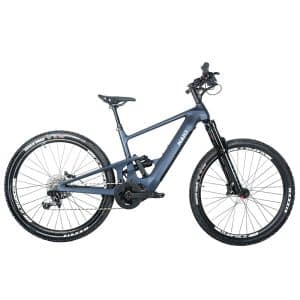
| Rudder | Carbon-fiber full-suspension electric mountain bicycle platform | Frame, suspension, wheel, drive-system and component integration | Final motor, battery, controls, brakes, drivetrain and destination-market requirements require model-specific confirmation |
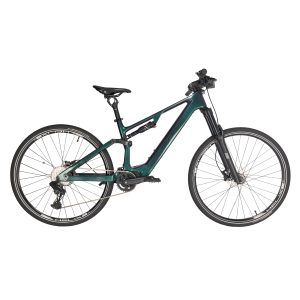
| SEEKER | Carbon-fiber full-suspension electric mountain bicycle platform | Frame, mixed-wheel or other final wheel configuration, suspension and drive-system integration | Final wheelset, motor, battery, controls, brakes and drivetrain require model-specific confirmation |
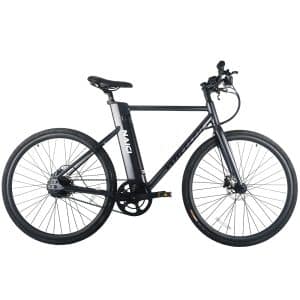
| SONAR | Current Mountain-category model listing | Verify the intended project role, wheel and tire format and complete component package | No wheel, tire, motor, battery or other technical specification is assumed from category membership |


Share the target buyer, route profile, terrain, rider, service, destination-market and project requirements.
Review the selected frame platform, wheel and tire format, suspension and component package as one system. Commercial terms are quoted after configuration, customization and packaging are defined.
Confirm fit, function, controls, braking, drive-system integration, component compatibility, handling criteria, packaging and destination-market requirements before production planning.
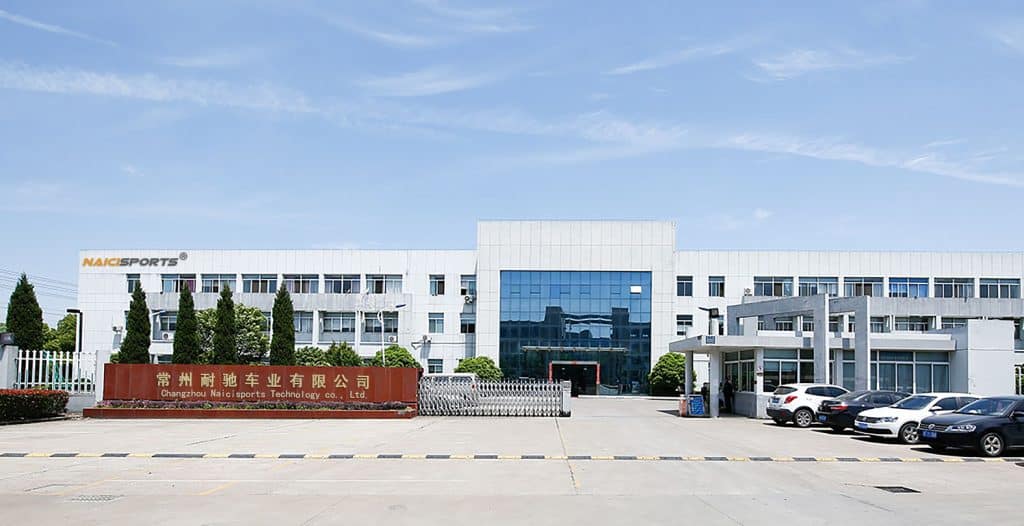
Production planning begins after the platform, final specification, configured sample, quality checkpoints, packaging and commercial terms are agreed. Delivery timing and shipment terms are confirmed for each project rather than treated as universal guarantees.
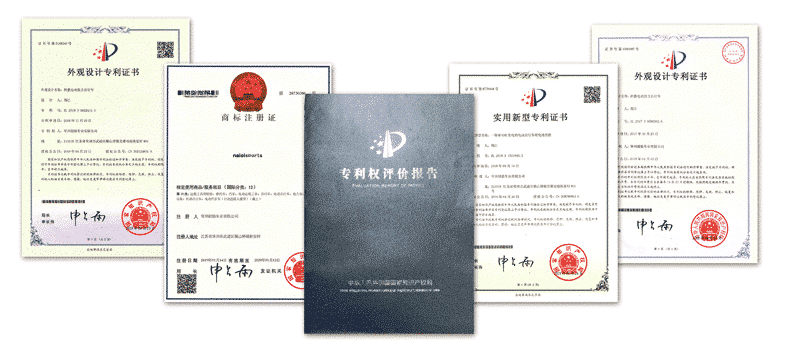
Testing and certification requirements are confirmed project by project according to the final configuration and destination market. After-sales scope can include spare-parts planning, manuals, maintenance documentation and shipment follow-up, with warranty and service terms defined in the commercial agreement.
Share the target market, intended use, riding conditions, preferred E-MTB platform, configuration priorities, branding and packaging scope. Confidential drawings are not required for an initial review; a structured requirement summary is sufficient to start feasibility review and define the next steps.
Share the target market, product role, rider and route requirements, terrain, preferred platform, configuration priorities, branding and packaging needs.
Project review can cover frame architecture and material, wheel and tire format, suspension, motor and controller, battery integration, sensor and assist system, brakes, drivetrain, controls, accessories and service requirements.
Options can include frame logo placement, decals, custom colors, nameplates or labels, custom packaging, buyer-branded manuals or instructions and private-label branding. Final placement and application are confirmed for the selected model.
The project validation plan can cover fit, function, controls, braking, drive-system integration, component compatibility, handling criteria, service access, packaging and the agreed destination-market requirements.
Applicable safety, electrical, documentation and destination-market requirements are confirmed against the final configured project. No named certification is assumed to apply to every platform.
Lead time and MOQ depend on the selected platform, specification, configured-sample requirements, tooling, component availability, customization, packaging and production plan. They are confirmed after project review.
After-sales scope can include spare-parts planning, manuals, maintenance documentation and shipment follow-up. Warranty and service terms are defined in the commercial agreement.
We use necessary cookies to operate this website. With your permission, we also use preference, analytics and marketing technologies. You can accept all, reject non-essential cookies or choose your settings.